


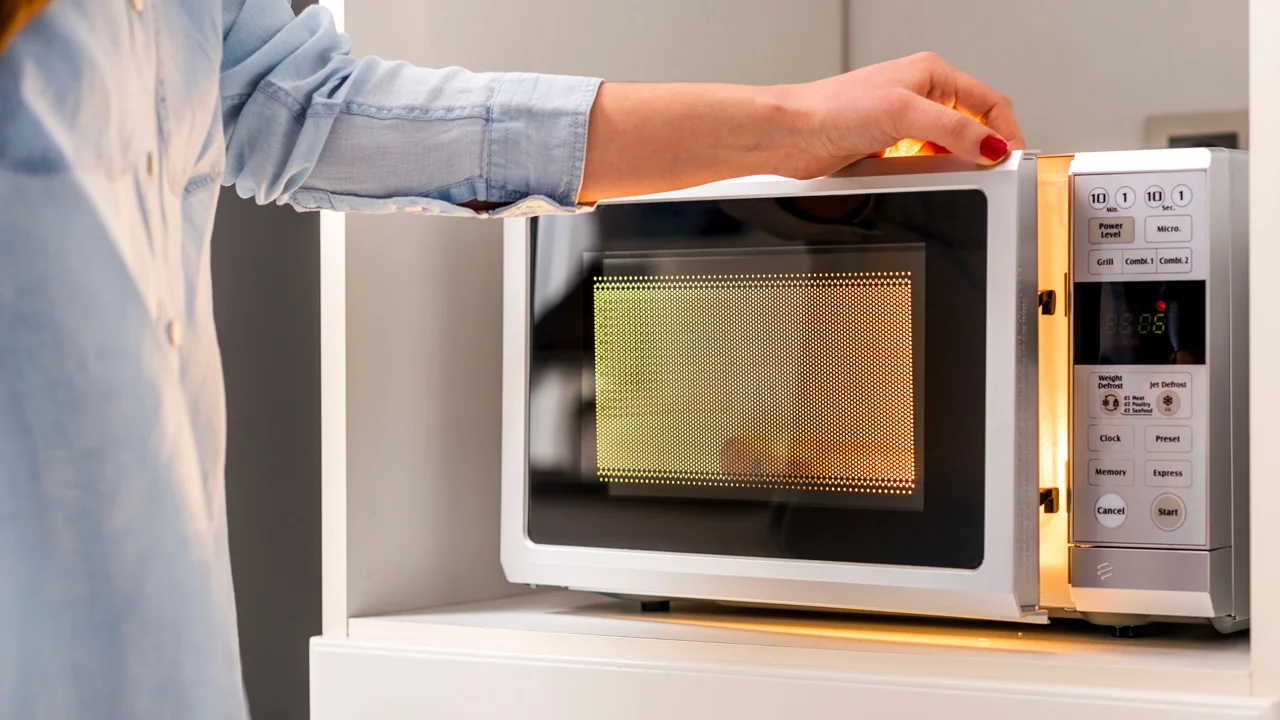
Can You Put Cardboard In The Microwave?
Table of Contents
In the modern world, the oven has become ubiquitous. It is a very important part of our daily lives, adding ease to our hectic days. Direct from the freezer to the oven and you get more time to rest and spend with your loved ones while enjoying your favorite movie, chilling on the sofa, ending the day in the sweet notes, cuddles, and kisses—sounds romantic, huh? Well, here’s the catch: not every container is oven-friendly.
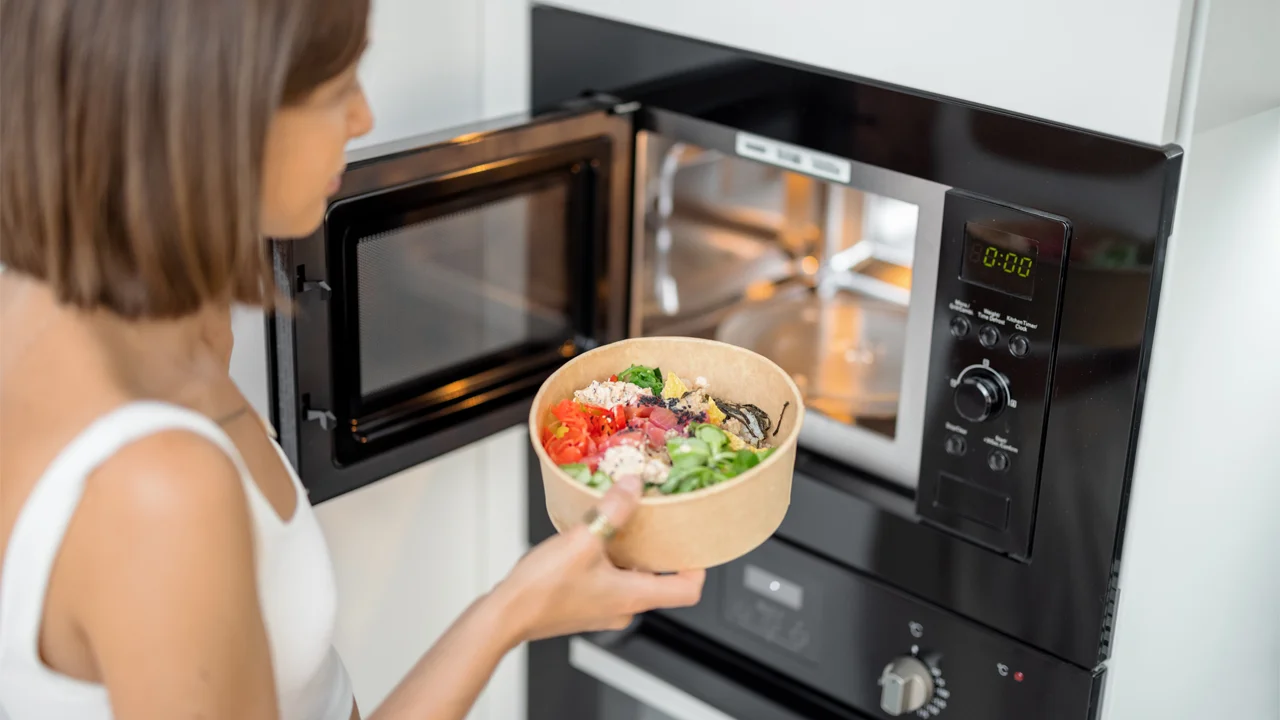
Can you microwave cardboard takeout boxes? Yes, and no. For the detailed explanation about your Custom Cardboard Boxes, continue reading this blog, carefully curated for your better understanding.
What Is Cardboard?
Cardboard is a generic term used for all the heavy-duty boxes made up of tightly pressed paper pulp layers. It is food-grade, eco-friendly, and oven-friendly to some extent. Common cardboard boxes that you are using in your daily lives are as follows:
- White Cardboard Boxes
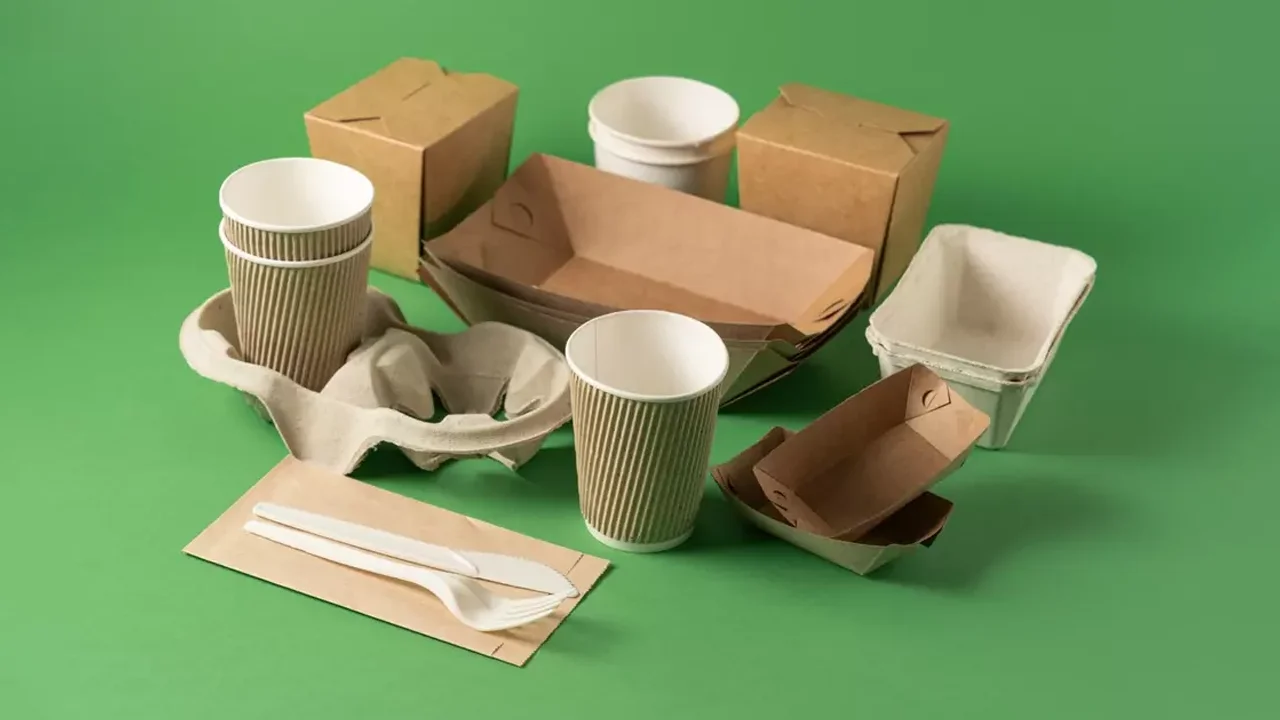
- Cardboard Takeaway Boxes
- Corrugated Cardboard Boxes
- Cardboard Shipping Boxes
- Double-Wall Cardboard Boxes
White Cardboard Boxes
These are plain paperboards that do not have prints or coatings over them. However, they are the most popular ones in the marketing field as these boxes are highly customisable, the perfect canvases for high-quality print results.
You can use them plain for a minimalistic and attractive, clean look for packaging our food items, gifts, or whatever. Or you can print your branding elements as well as the artwork to stand out on the shelves and get recognized from afar.
Cardboard Takeaway Boxes
These are specialty food-grade boxes, also customisable. You can have them in a multitude of shapes and sizes with high-quality print results that help you market your brand and food items on a greater level without adding much to the marketing costs.
Corrugated Cardboard Boxes
These boxes are specialty boxes made from layers of thick paperboard and corrugated (fluted) sheets. The fluted (curvy) paper sheets are sandwiched between flat linerboard layers. This corrugated layer has airbags between the curves that are responsible for trapping air in it to provide effective insulation and a cushiony effect to protect the product inside the box from external pressures.
Cardboard Shipping Boxes
These are larger and stronger boxes, usually made from corrugated sheets to provide exceptional product protection during their ventures. Usually, large, heavy, or fragile items are stored in these boxes, especially if you think that the ride is going to be bumpy, corrugated shipping boxes are your best chance to save the products.
Double-Wall Cardboard Boxes
Corrugated cardboard boxes come in a variety of types: single-wall corrugated cartons have a single corrugated sheet sandwiched between two linerboards. Double-wall corrugated cardboard boxes have two fluted sheets with three linerboards. And the triple-wall corrugated cardboard boxes have 3 curvy sheets with four linerboard sheets. Furthermore, the corrugated sheets have different curve options: A, B, C, E, and F flutes.
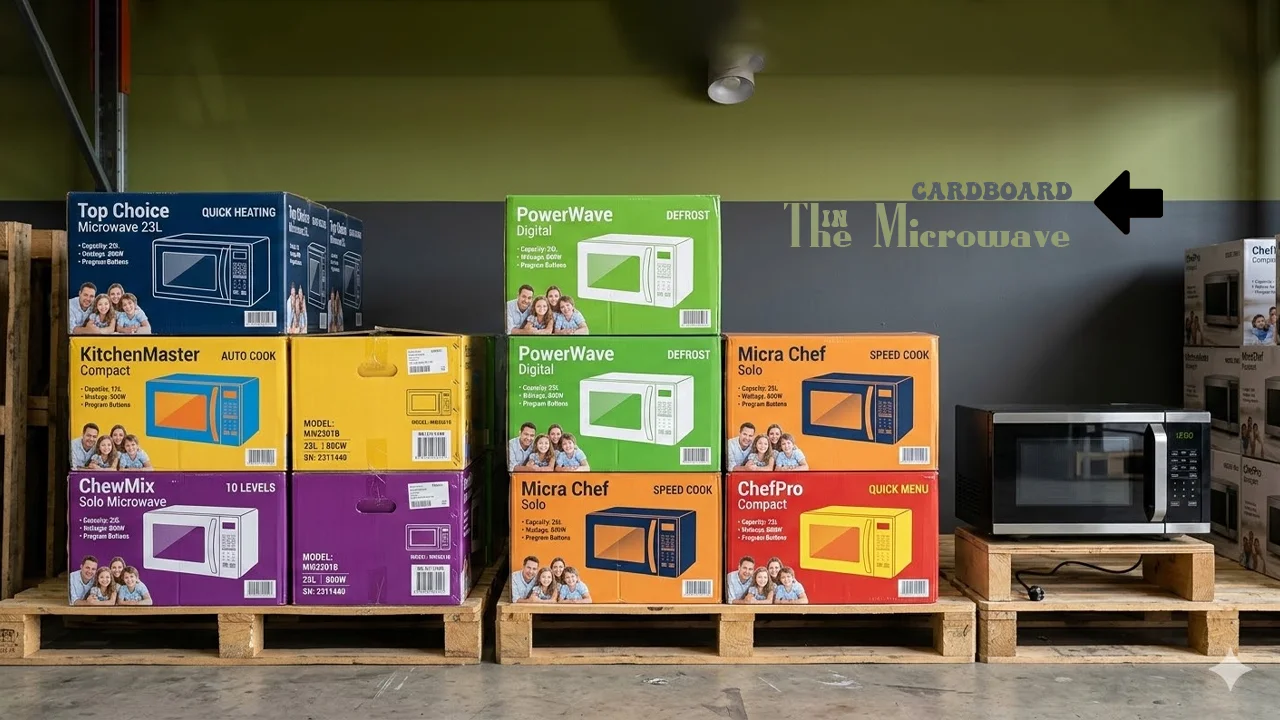
Properties Of Cardboard Boxes
Furthermore, here are some properties of cardboard boxes that will help you recognize their worth, as well as answer the question, “Can You Microwave The Cardboard Takeout Boxes?”
- Structural Integrity
- Heat Insulation
- Moisture Absorption
- Uneven Heat Distribution
- Microbial Safety
- Chemical Safety
- Environmental Sustainability
- Cost-Effectiveness
- Customisability
Structural Integrity
Cardboard boxes are made from cellulose fibres, obtained from wood pulp. It makes sure that the box remains rigid and resistant to compression under pressured circumstances, especially corrugated cardboard boxes. This is why they are considered the best shipping boxes for your fragile to heavy products during transit.
Heat Insulation
Cardboard boxes are great insulators due to the air spaces between them, but at the same time, they can be great heat-resistant if the heat is from the outside of the box. Therefore, if you want to keep the food warm, they are perfect, but in case you are planning on reheating the food, you might need to consider a few things.
Moisture Absorption
Another interesting fact aout cardbard boxes is that they are hygroscopic, meaning that they can absorb the moisture from the environment. The moisture in the box heats up quickly, good for insulation, and quick, little heating up of the box, without it burning.
Uneven Heat Distribution
At the same time, this presence of moisture is responsible for the uneven distribution of heat in the box by creating hotspots, leading to localized overheating or steam generation. This can also compromise the food or box safety.
Microbial Safety
Furthermore, research has confirmed that cardboard boxes do not foster microbial growth under recommended conditions. Therefore, packaging our food items in these boxes is food-safe and recommended.
Chemical Safety
Without the use of additives, these boxes are less likely to emit chemicals. Hence, another reason to trust your cardboard boxes is that they are food-safe and trusted.
Environmental Sustainability
In addition to all of these characteristics of your cardboard boxes, another interesting fact is that these boxes are environmentally safe, meaning they can be recycled or are biodegradable, and harmful inks or coatings are not used.
Cost-Effectiveness
Furthermore, your cardboard boxes are also cost-effective. You do not have to go to great lengths to afford these boxes. They come within your budget, so everyone can benefit from them.
Moreover, if you buy Collapsible Cardboard Boxes, you can reduce the cost much more. How so? Well, these are Flat Pack Cardboard Boxes, shipped flat, and can be reassembled when needs to be used, consuming less space and money.
Customisability
Last, but not least, these boxes are highly customisable. The flat surface and smooth texture make them the perfect canvases for high-quality print results. Hence, you can get them cheaply, protect your products the best, and add less harm to the environment—all in one box. Get your Individual Cardboard Boxes now!!!
What Does the FDA Say About Your Food Packaging Cardboard Boxes?
To make your boxes safe and reliable, follow the FDA rules and protect your name from stains 👇
|
FDA focus |
What it means for cardboard food boxes |
What to do (clear checklist) |
| Food-contact surface | If food touches the inside of the box, that inner surface and anything on it must be suitable for food contact | Confirm whether food touches the box directly, or there is always a liner or wrap between food and the board |
| Food type and moisture level | Rules differ based on whether the food is dry, greasy, or wet | Define your use case: dry bakery and snacks vs greasy fries and burgers vs saucy meals |
| Material layers, not just “cardboard” | Compliance is about the full build: paperboard, coatings, adhesives, inks, and any liners | Get documentation for each layer used in the finished box, not only the base board |
| Coatings and grease barriers | Grease-resistant or water-resistant coatings can change food contact behavior | Identify if the box is coated, then confirm the coating is intended for the food type and heat exposure |
| Inks and printing placement | Printing on the food-contact side is a higher risk than printing outside | Keep printing on the outside when possible; if inside print is required, collect stronger compliance proof |
| Adhesives and glued seams | Glues are part of the food-contact system if they can migrate or contact food | Confirm adhesives used are intended for food packaging and used within safe limits |
| Recycled content control | Recycled fibers can introduce unwanted contaminants if not controlled | Use suppliers with documented control plans for recycled content, especially for direct food contact |
| Intended temperature use | Hot holding, reheating, or microwaving changes risk and material behavior | Define maximum heat exposure; avoid claiming “microwave safe” unless your materials are validated for it |
| Clean manufacturing and storage | Dust, odor, pests, and cross-contamination can make “food safe” packaging unsafe | Require basic hygiene controls during production, packing, and warehousing; keep boxes dry and odor-free |
| Proof and paperwork | “FDA compliant” is not a label you guess; it’s supported by supplier documents | Keep a file for each box: material compliance statement, coatings and adhesive details, and intended use limits |
Conclusion
So, is it safe to microwave cardboard boxes and use them for food purposes? Yes, you can use them for mild heating under strict supervision, keeping the temperatures lower than 170°F–200°F, and for 30 seconds or less than 30 seconds in the oven for brief heating. The risk of fire and toxic fumes increases with temperature and time.
But the safest practice would be to use another dish for warming the food, and to keep it warm for a longer time, you can put it back in the cardboard box, as they are good insulators.
Where To Find The Best Cardboard Boxes?
If you are looking for a reliable packaging expert, look no further, as you have landed on the right page! Here, at TheCosmeticBoxesUK, you will get a variety of packaging options as well as the experts’ assistance.



Leave A Comment