
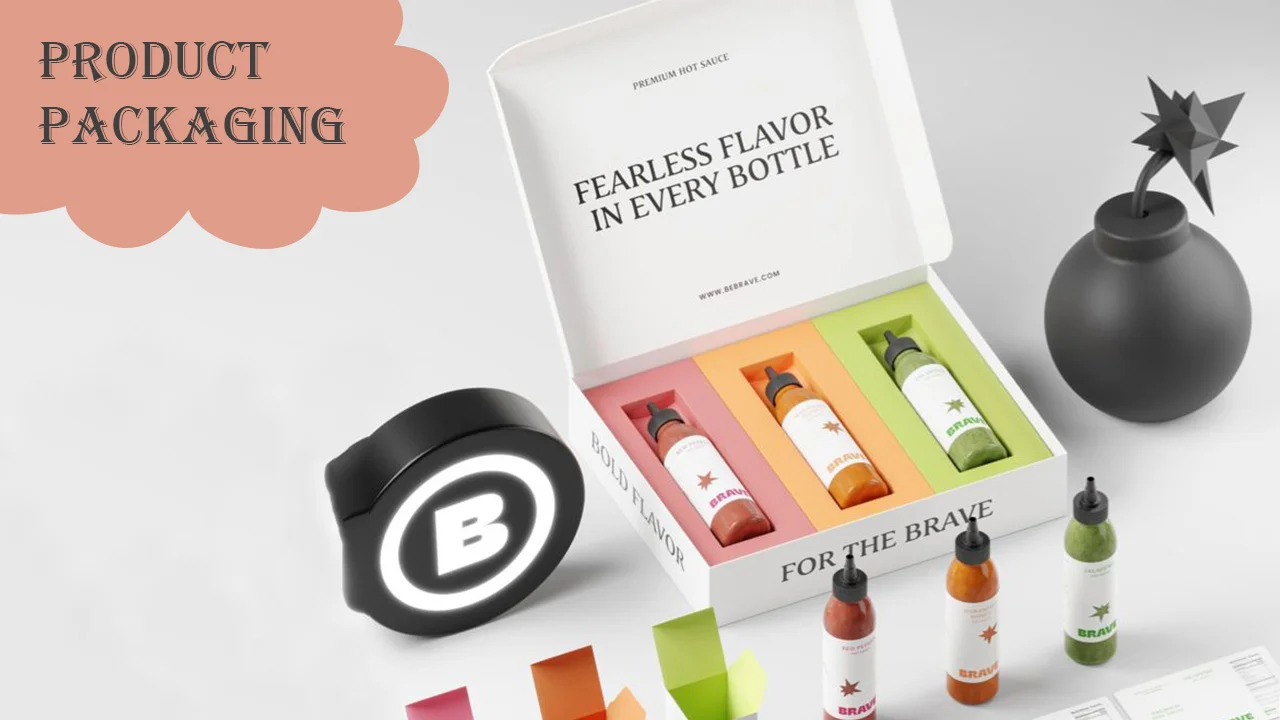
Product packaging has much more to do than holding an item. It not only helps to keep products safe while being stored and transported but also brings a brand identity, useful information about a product, and creates a brand image in the eyes of customers. From selling cosmetic products to food, electronics, clothing, skin care products, or retail items, packaging can have an impact on how products are displayed, delivered, and remembered.
But the choice of the most attractive box is not the only thing involved in finding the right packaging. The size, weight, fragility, storage needs, sales channel, and customer base are all important factors to consider when choosing a product. The material, structure, printing, and finishing should all be integrated to make the look professional and fulfill its function.
What is Product Packaging?
Product Packaging is the materials, containers, and protective elements that are used to surround, store, display, and carry a product. It not only offers a proper enclosure to keep a thing, but also conveys important information about the merchandise and the business that’s offering it.
The three key components of effective product packaging are:
- Product protection: Organises products and prevents damage in handling, storage, and transport.
- Brand communication: Shows logos, colours, product names, descriptions, and other identifier information.
- Customer presentation: Provides a smooth and uniform presentation to customers when they receive or buy products.
Why Is Product Packaging Important for Businesses?
Packaging plays a significant role in the way that a business offers and delivers its product. Before customers really experience the item inside, they must interact with the package. Consequently, its look, build, and quality can impact their impression.
Below are the key benefits of investing in appropriate product packaging.
Protect Products from External Damage
There are several steps that products go through before they finally arrive at their destination. They can be held in warehouses, moved in order preparation centers, transferred between warehouses, and shipped to customers. If not properly packaged, they can be marred, damaged, broken, or crushed.
Establish a Recognisable Brand Identity
Packaging provides a physical space to display your brand’s identity. Your logo, brand colours, typography, product illustrations, and printed messages help customers recognise your business.
Consistent packaging across different product categories also creates a unified appearance. Whether someone purchases one item or several products from your collection, the packaging should maintain a recognisable connection with your brand.
Improve Product Presentation
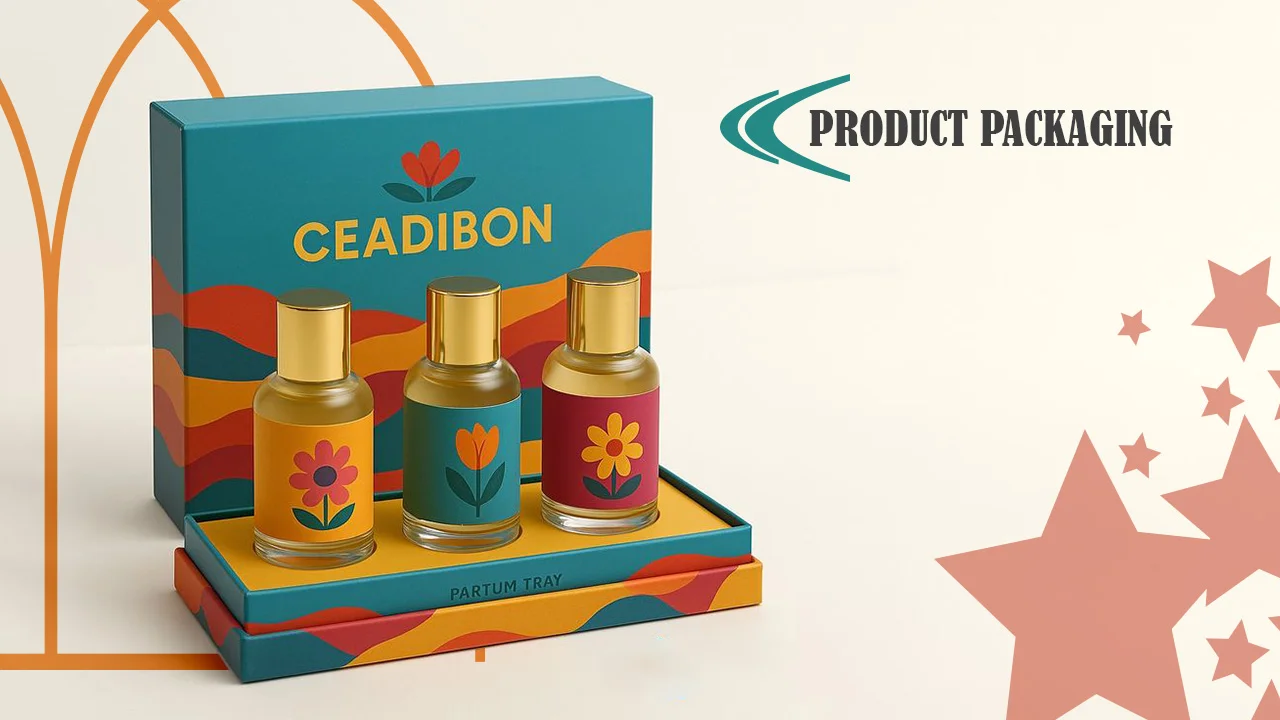
A well-constructed package makes products look organised and professionally presented. This is particularly important for cosmetics, jewellery, fashion accessories, gift items, and premium retail products.
Different packaging design ideas such as transparent windows, custom inserts, magnetic closures, and decorative finishes can make the presentation more appealing without compromising the package’s functionality.
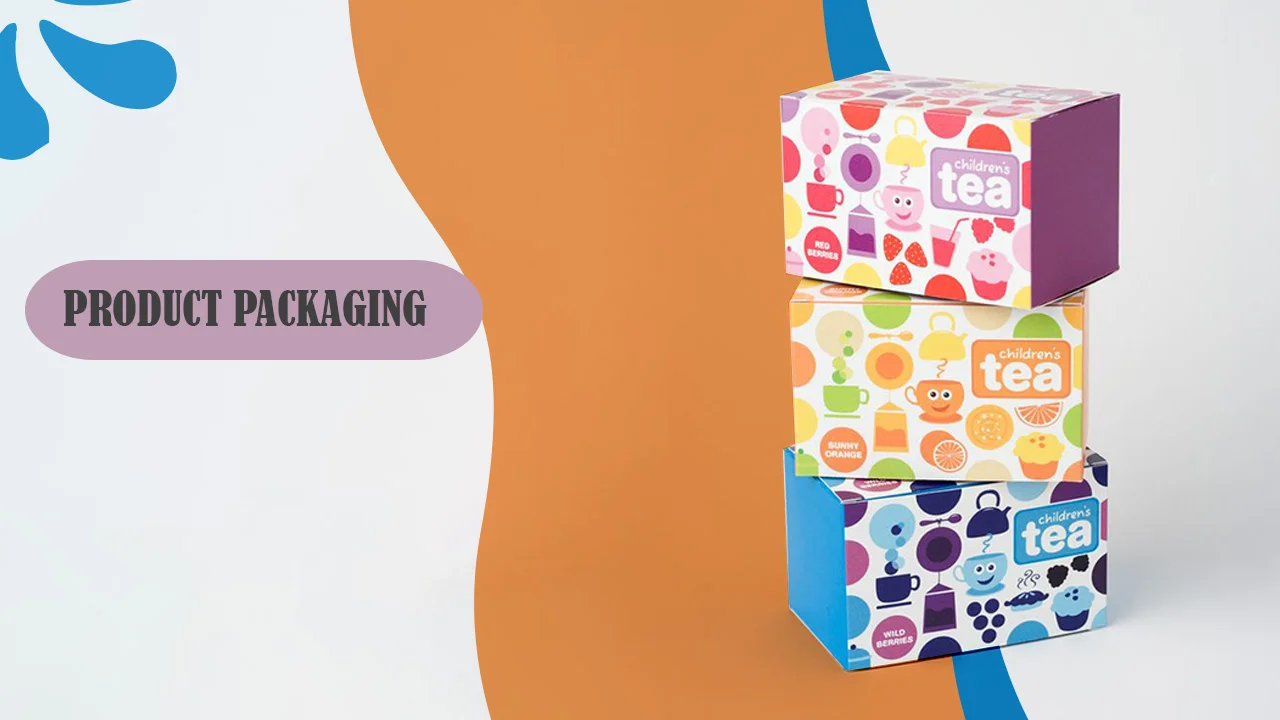
What Are the Different Types of Product Packaging?
Product packaging is available in several structures and formats. The right option depends on the type of product, required protection, presentation preferences, and distribution method.
Below are some commonly used packaging types offered by product packaging suppliers.
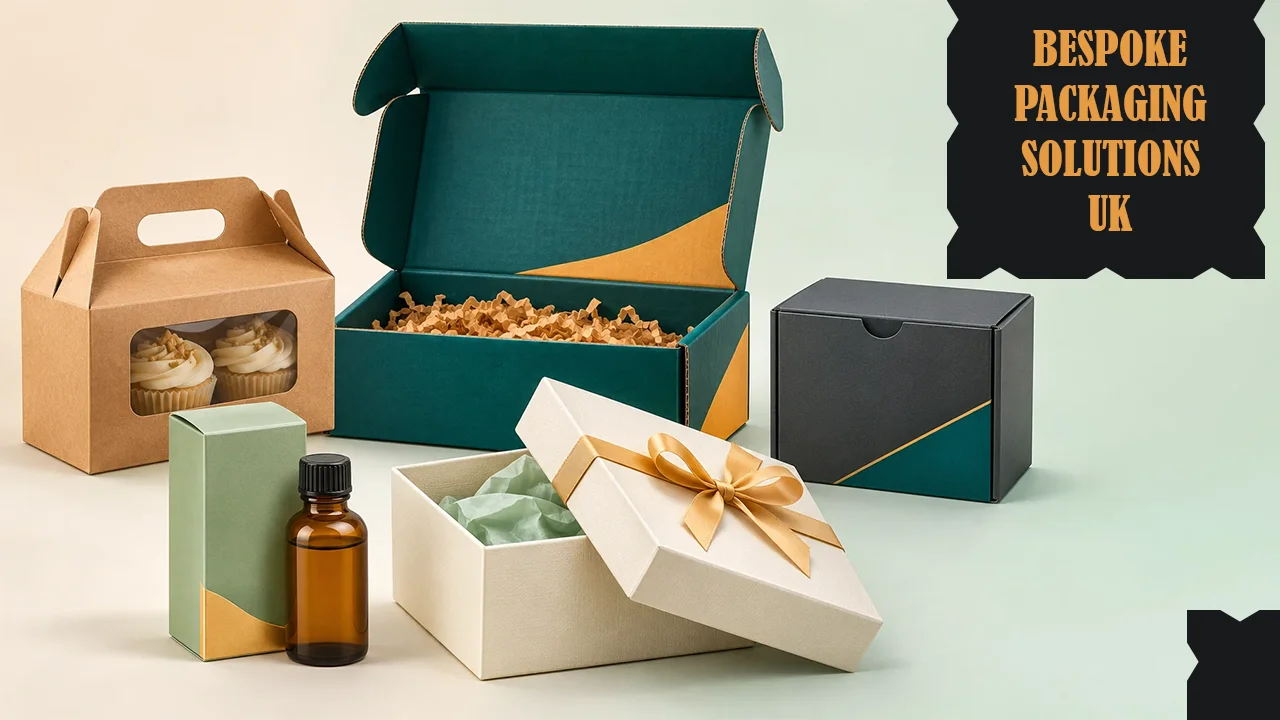
Folding Carton Packaging
Folding cartons are lightweight packaging structures made from paperboard. They are supplied flat and assembled into their required shape when needed. Their printable surfaces make them suitable for businesses that want attractive retail packaging without using heavy materials.
Businesses can customise folding cartons with tuck-end boxes, die-cut windows, product information, and different printing finishes.
Rigid Box Packaging
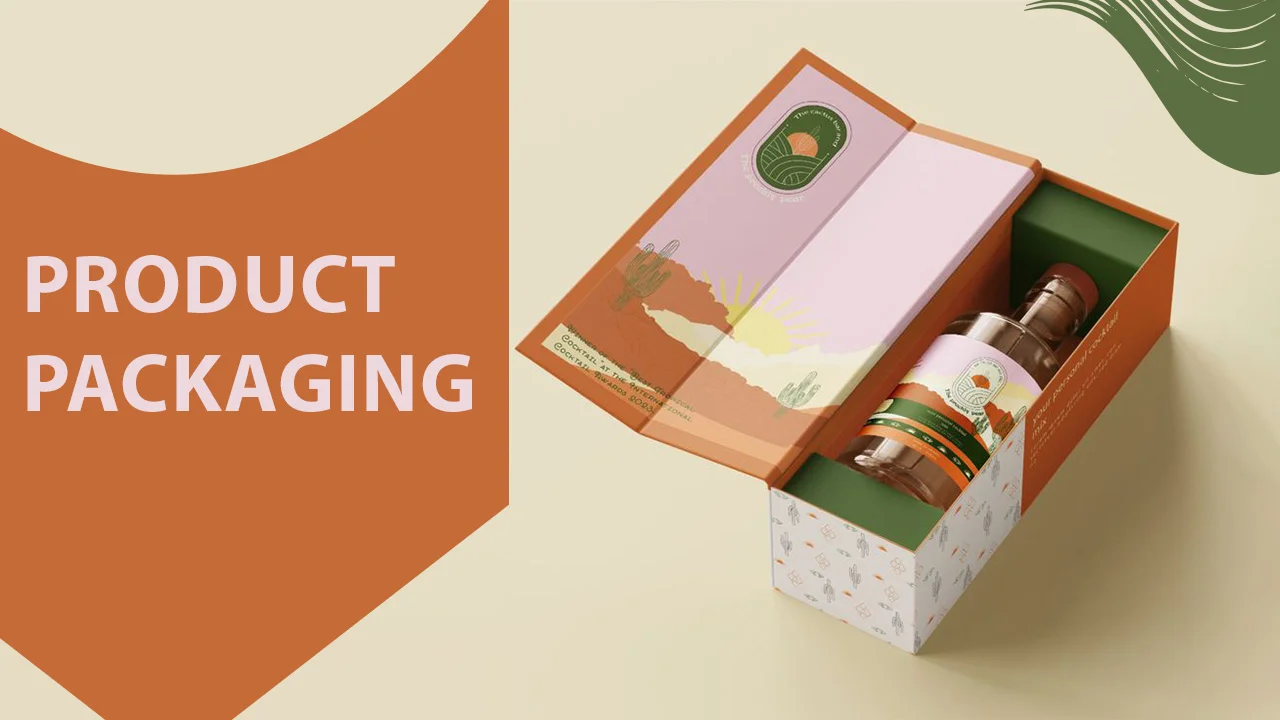
The boxes are made from thick, firm paperboard that maintains its shape rather than folding flat like conventional cartons. Their solid construction makes rigid boxes suitable for products that require premium presentation and a more substantial enclosure.
Magnetic closures, lift-off lids, drawer mechanisms, foam inserts, and decorative paper wraps can make rigid packaging more distinctive.
Corrugated Cardboard Packaging
Corrugated packaging consists of fluted paper material positioned between flat linerboards. This construction provides strength and cushioning, making it suitable for products that need additional protection during transportation.
Mailer Boxes
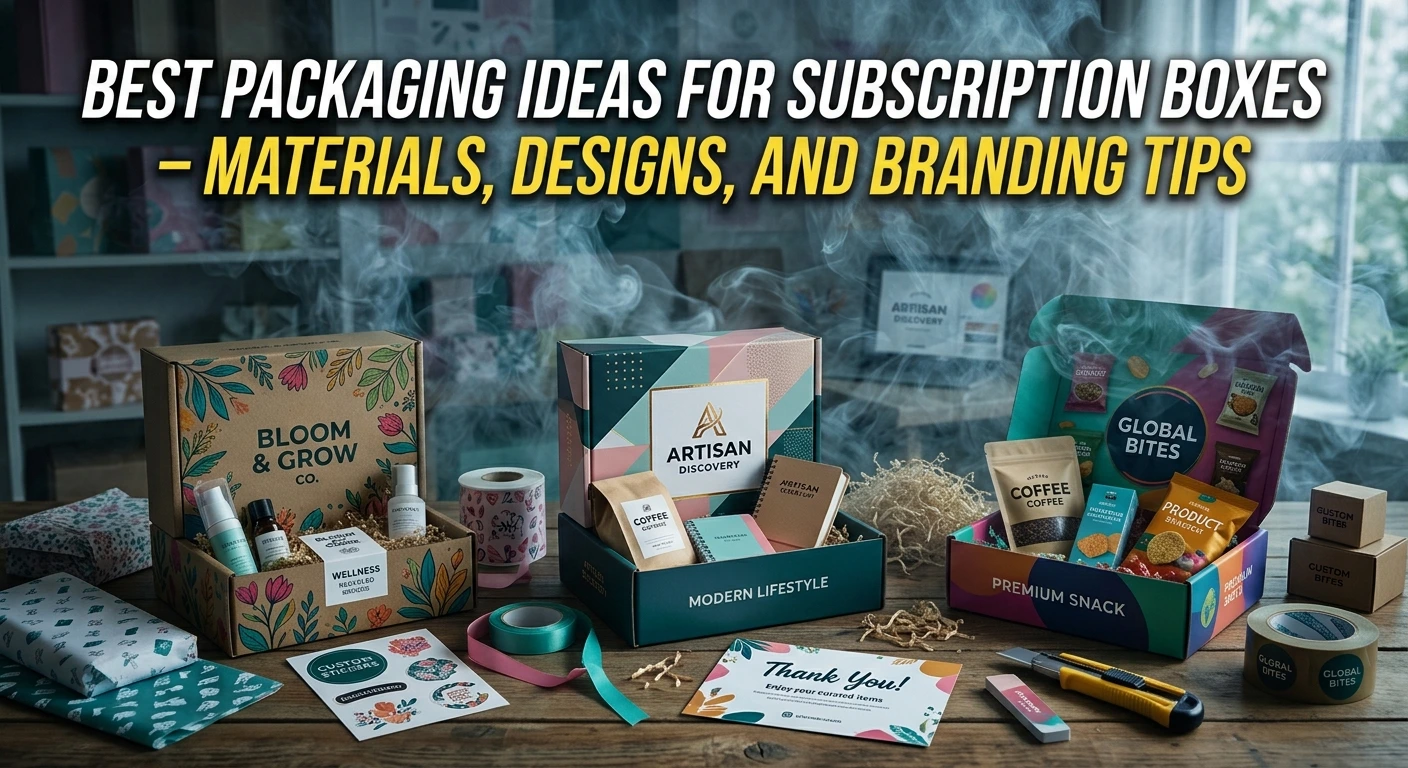
The custom mailer boxes are designed for shipping individual orders and presenting products directly to customers. Their folding construction and integrated closing flaps make them practical for e-commerce businesses.
They work particularly well for subscription boxes, clothing orders, beauty products, promotional kits, and gift collections.
Kraft Packaging
Kraft packaging is made from kraft paper or kraft-based paperboard. Its natural brown appearance is popular among businesses that prefer a simple, understated packaging style.
Kraft boxes can feature printed logos, custom labels, die-cut windows, and different closure styles. Unbleached kraft is commonly selected for its natural appearance, while white kraft provides a lighter surface for printed designs.
Which Materials Are Used for Product Packaging?
Material selection directly affects the package’s strength, appearance, weight, printing quality, and suitability for different products. Before selecting a material, consider how the product will be stored, handled, displayed, and transported.
Here are some commonly used materials and their applications.
|
Packaging Material |
Main Characteristics |
Suitable Applications |
| Cardboard | Lightweight, printable, and easy to customise | Retail boxes, cosmetics, and general products |
| Kraft Paperboard | Natural appearance and paper-based construction | Handmade products, soaps, and retail packaging |
| Corrugated Board | Fluted construction for added strength and cushioning | Shipping boxes and heavier products |
| Rigid Chipboard | Thick and firm structure with premium presentation | Jewellery, perfumes, and luxury gifts |
| SBS Paperboard | Smooth, bright surface for high-quality printing | Cosmetics, pharmaceuticals, and retail cartons |
| Aluminium Foil | Provides a barrier against light, moisture, and gases when appropriately specified | Food, pharmaceutical, and specialised packaging |
| Plastic Films | Flexible, lightweight, and available in different barrier properties | Pouches, wraps, and sachets |
How Is Custom Product Packaging Designed and Manufactured?
Creating Product Packaging UK involves several stages. Each step contributes to the final structure, appearance, and functionality of the package.
Step 1: Product Assessment and Measurements
The process begins by understanding the product’s dimensions, weight, shape, and protection requirements. The packaging team also considers whether additional components, such as inserts or dividers, are necessary.
Step 2: Selecting the Material
The material is selected according to the product’s characteristics, intended use, and budget. Paperboard may suit lightweight retail products, whereas corrugated board is more appropriate for many shipping applications.
Step 3: Finalising the Packaging Structure
The next step is to determine the box style, dimensions, opening mechanism, and internal arrangement. Businesses can choose from tuck-end cartons, mailer boxes, rigid boxes, sleeve packaging, and other custom structures.
Step 4: Artwork and Graphic Development
The artwork is prepared using the brand’s logo, colours, typography, illustrations, and product information. All printed content should be arranged to suit the selected packaging structure.
Step 5: Prototype and Design Approval
A sample or prototype helps businesses check the dimensions, assembly, product fit, and opening mechanism before full production. It also allows the artwork and finishing details to be reviewed on the actual packaging structure.
Step 6: Printing and Finishing
After approval, the packaging moves into production. The selected printing method and finishes are applied according to the final specifications.
Step 7: Cutting, Folding, and Assembly
Printed sheets are converted into the required packaging shapes through cutting, creasing, folding, and other finishing processes. Depending on the structure, adhesive or additional components may be used during assembly.
Step 8: Quality Inspection and Delivery
The completed packaging is checked for printing consistency, structural accuracy, finishing quality, and assembly. Once approved, it is prepared for delivery according to the agreed order requirements.
What Common Product Packaging Mistakes Should Businesses Avoid?
Even a visually attractive package may not perform well if important design and production details are overlooked.
Packaging companies should avoid these common mistakes when developing their packaging:
- Oversized packaging can allow products to move around, while undersized boxes may make insertion difficult or damage the product.
- A material selected only for appearance may not provide sufficient protection during transportation.
- Too many colours, graphics, and messages can make the package difficult to read.
- A logo that is too small or positioned awkwardly may not create the intended brand impression.
- Products can shift or become damaged when the box does not include suitable inserts or dividers.
- Important details such as ingredients, instructions, warnings, and barcodes should be accommodated where applicable.
- Producing a large quantity without checking the physical packaging can lead to avoidable sizing, printing, and structural problems.
Why Choose The Cosmetic Boxes UK for Custom Product Packaging?
Your packaging should reflect the quality of your products and meet your business requirements. At The Cosmetic Boxes UK, we offer custom packaging wholesale solutions designed around your product dimensions, brand identity, and presentation preferences.
Whether you need simple retail cartons, premium rigid boxes, printed mailer packaging, or specially designed product containers, we help you develop custom printed packaging that suits your requirements.
Get in touch with The Cosmetic Boxes UK today to discuss your product packaging requirements and receive a customised quote for your next order!


Leave A Comment